Modern dance or contemporary dance

Looking for modern dance? Then chances are you have already come across Nederlands Dans Theater (NDT). But the work we create is contemporary dance rather than modern dance, and there is an important difference between the two.
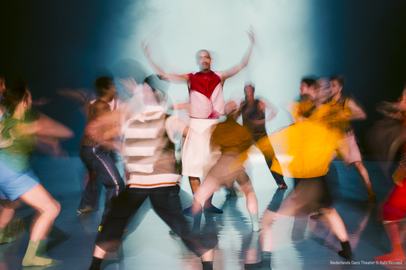
At NDT, you experience dance that reflects the world we live in today. We work with choreographers from across the globe, each bringing their own background, influences, and artistic voice. Our performances can move from an intimate solo to a powerful ensemble piece within the same evening.
What connects all our work is a strong technical foundation and a curious way of looking at the world around us. At NDT, contemporary dance is not simply about beautiful movement. It is a way of feeling, questioning, and connecting. You do not need any knowledge of dance to visit our performances. If you come with an open mind and allow yourself to watch, feel, and be surprised, then you are already in the right place.

What is modern dance?
Modern dance emerged at the beginning of the twentieth century as a response to classical ballet. At the time, many pioneers of modern dance felt ballet had become too strict, with fixed roles, stories, and techniques. They wanted to create a more personal and human form of dance, where movement came directly from emotion and expression.
This led pioneers such as Martha Graham and later Merce Cunningham to develop entirely new techniques and movement languages. Expression began with the body itself. Movement often started from the ground rather than aiming for perfect shapes or positions. Dancers performed barefoot and worked with breath, gravity and resistance. The body was no longer presented as an idealised figure, but as a real human being.

What is contemporary dance?
Around the middle of the twentieth century, contemporary dance grew out of modern dance. Unlike modern dance, it is not connected to one fixed style or technique. Instead, it is an open and constantly evolving way of creating movement.
Contemporary choreographers combine influences from modern dance and classical ballet with theatre, visual art, music, film and digital media. Experimentation and improvisation often play an important role. Today’s dancers train in many different techniques and draw inspiration from forms such as tai chi, capoeira, acrobatics, and street culture.
There is no single style in contemporary dance. Instead, choreographers develop their own movement language to explore ideas, emotions, or questions they are interested in.
That is also at the heart of NDT. We work with choreographers who continue to push the boundaries of what dance can be. At NDT, contemporary dance continues to evolve. It grows out of the world around us, shaped by global influences, the talent of our dancers and a constant drive to innovate.

In short
Modern dance developed as a response to classical ballet and has its own techniques and styles.
Contemporary dance builds on both modern dance and ballet but is freer and constantly evolving.
At NDT, contemporary dance continues to take new shape.
Discover NDT
-
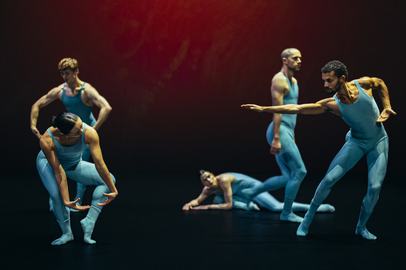 Read more about KID IN A CANDY SHOP
 -
-
-
-
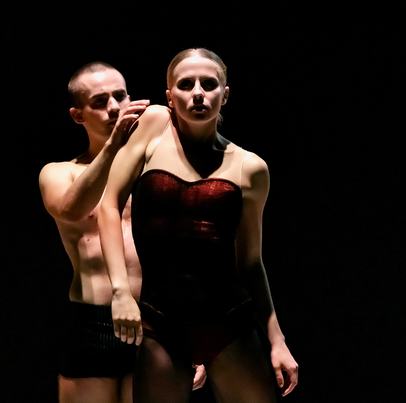
Kijk mee Close up van kostuums
Read the story -
-
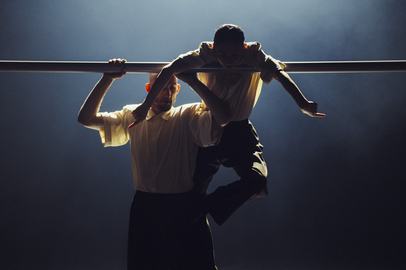 Read more about Horses
 -
 Read more about GONE, inspired by Benjamin Clementine
 -
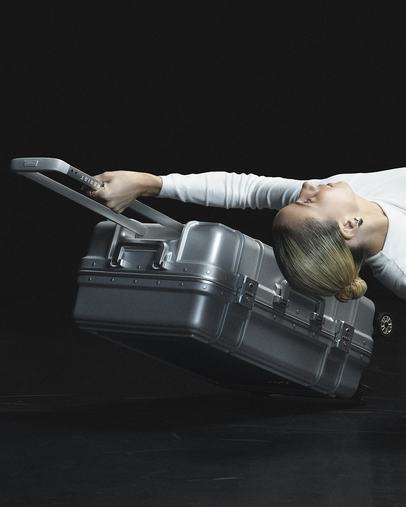
NDT x Eastpak: A journey in motion
Read the story -
-
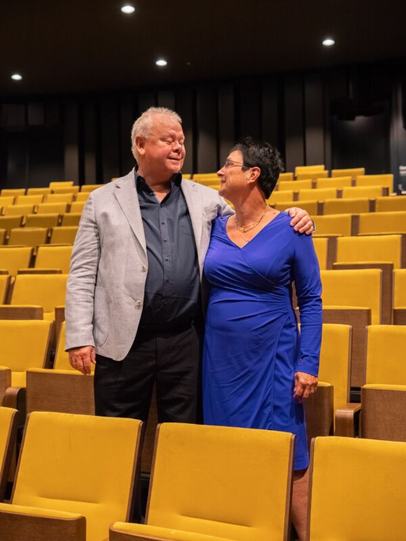
Hans and Ineke included NDT in their will
Read the story -
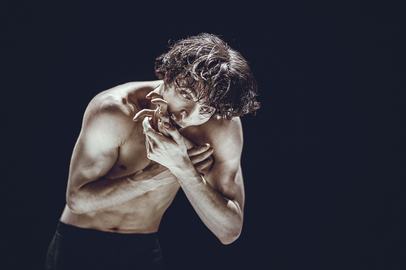 Read more about The Big Crying
 -
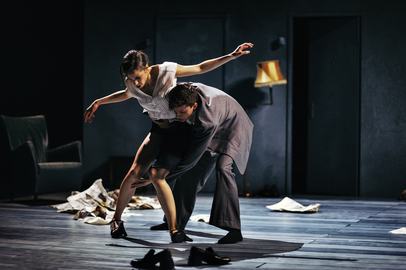 Read more about The missing door
 -
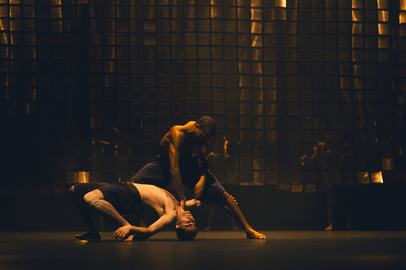 Read more about Entropy
 -
-
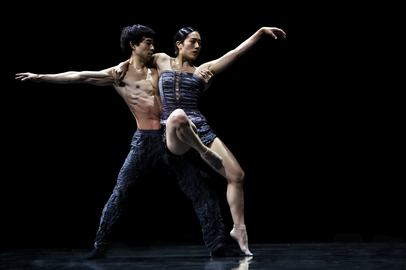 Read more about Mémoires d'Oubliettes
 -
-
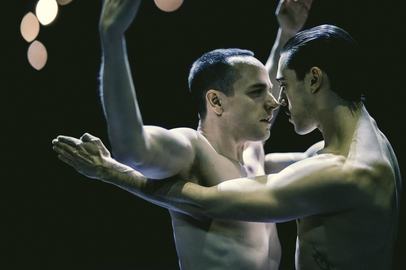 Read more about Woke up Blind
 -
Meet Marise Voskens, NDT legacy supporter
Read the story -
Dutch Masters Foundation
Read the story -